Raw Materials Catalogue

Brake Pads Friction Materials

High-quality raw materials and fillers for brake pad, brake lining, and clutch friction product manufacturing.

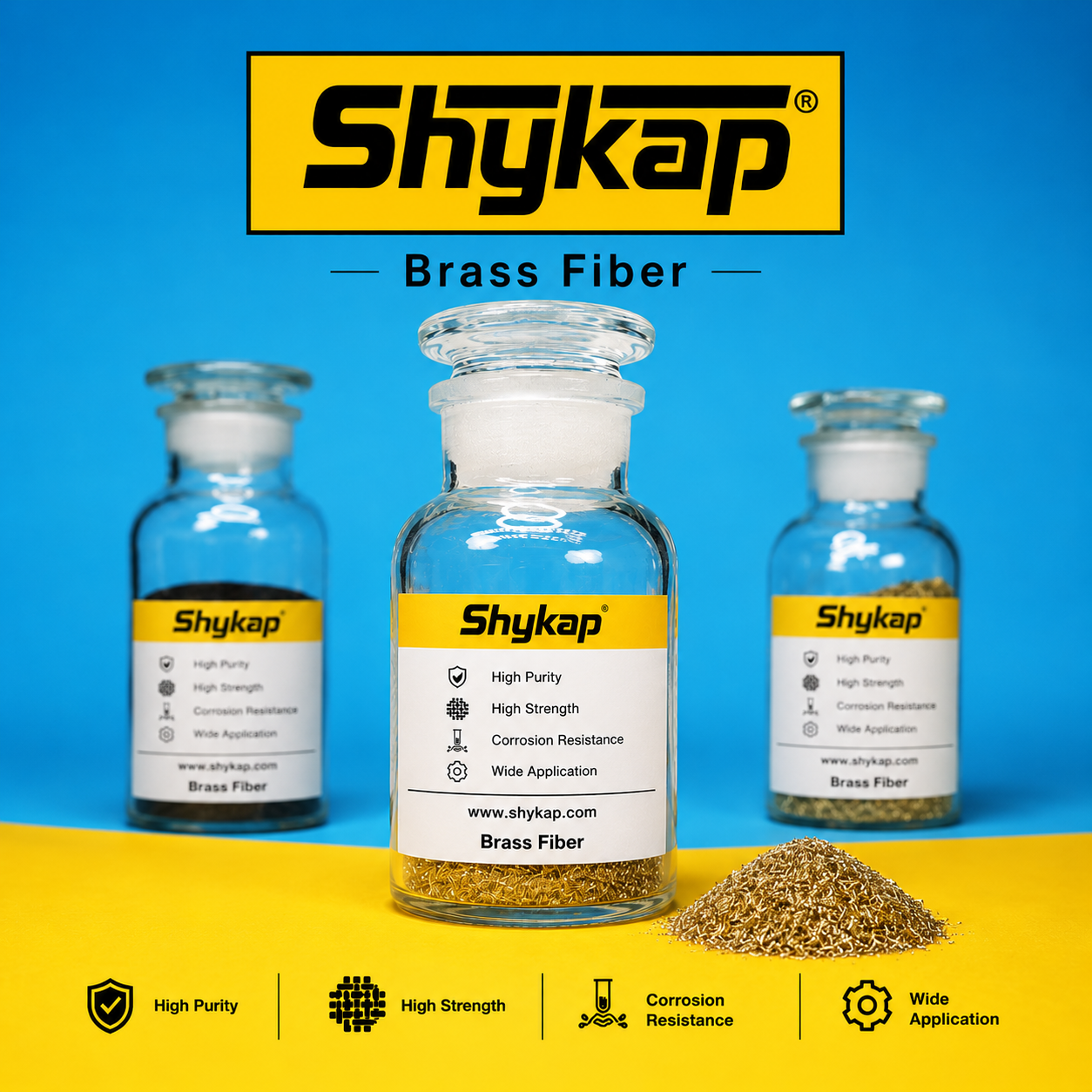
Brass Fiber – brake pad friction raw material

Brass Fiber

A common metal friction filler with excellent heat transfer for controlling brake component temperature.

Inquire Now

Brass Fiber is a very common metal friction material filler. Its good heat transfer coefficient helps transfer heat generated at the frictional touch face into the friction product, controlling component temperature. Its chemical composition and micro-structure make it ideal for high performance, high duty friction materials. Brass also has a relatively low Mohs hardness, contributing to anti-friction at high temperature. In Europe, brass is widely used in brake pads, especially high-class friction materials, typically at 5%-8% content.

Granularity

Length of Fiber1.0–5.0 mm
Diameter0.15–0.25 mm
L/D Ratio6–20

Sieve Analysis

>0.25 mm0.0–2.0% (typ. 0.2–1.8%)
0.25 mm10.0–40.0% (typ. 20.0–36.0%)
0.15 mm50.0–80.0% (typ. 58.0–72.0%)
<0.15 mm0–12.0% (typ. 2.0–10.0%)

Appearance

FormNeedle-like fiber, pale yellow

Physical Properties

Specific Gravity8.50 g/cc
Apparent Density1.2–3.5 g/cc

Chemical Composition

Cu59%
ZnRemainder
Pb1.0–3.0%
Sn0.0–0.5%
Fe0.0–0.5%
Ni0.0–0.5%
Al0.0–0.5%

Package & Storage

25 KG/bag, double sheet paper bags with plastic liner. Store in a dry, cool, ventilated area away from direct sunlight.
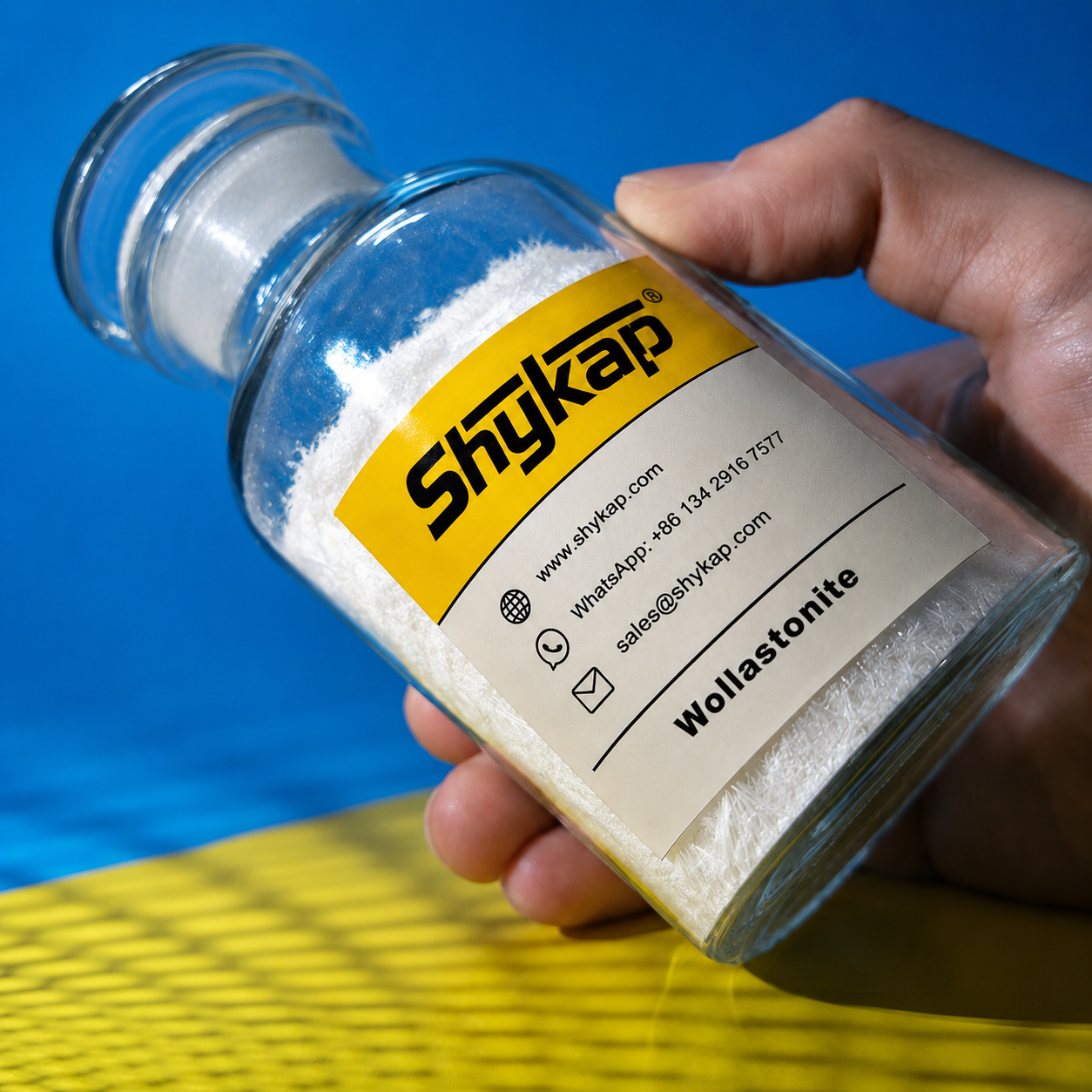
Wollastonite – brake pad friction raw material

Wollastonite

A widely used reinforcing fiber gradually replacing asbestos in friction material production.

Inquire Now

Wollastonite is a widely used friction material reinforced fiber, gradually replacing asbestos as a main reinforcing fiber in friction material production such as brake linings, brake pads, and other brake system friction materials.

Granularity

Fiber Length0.384 mm
Fiber Diameter20 μm
L/D Ratio18:1

Appearance

FormNeedle-like fiber, white

Physical Properties

Specific Gravity2.8 g/cm³
Bulk Density0.6 g/cm³
Moisture Rate<1.0%
Melting Point1540 °C
Hardness (Mohs)4.5–4.8

Chemical Composition

SiO₂45–52%
CaO42–48%
Al₂O₃<0.3%
Fe₂O₃<0.26%

Package & Storage

25 KG/bag, double sheet paper bags with plastic liner. Store in a dry, cool, ventilated area.

Fiber Steel Wool – brake pad friction raw material

Fiber Steel Wool

Stable performance, low wear rate, and good heat dissipation across a wide temperature range.

Inquire Now

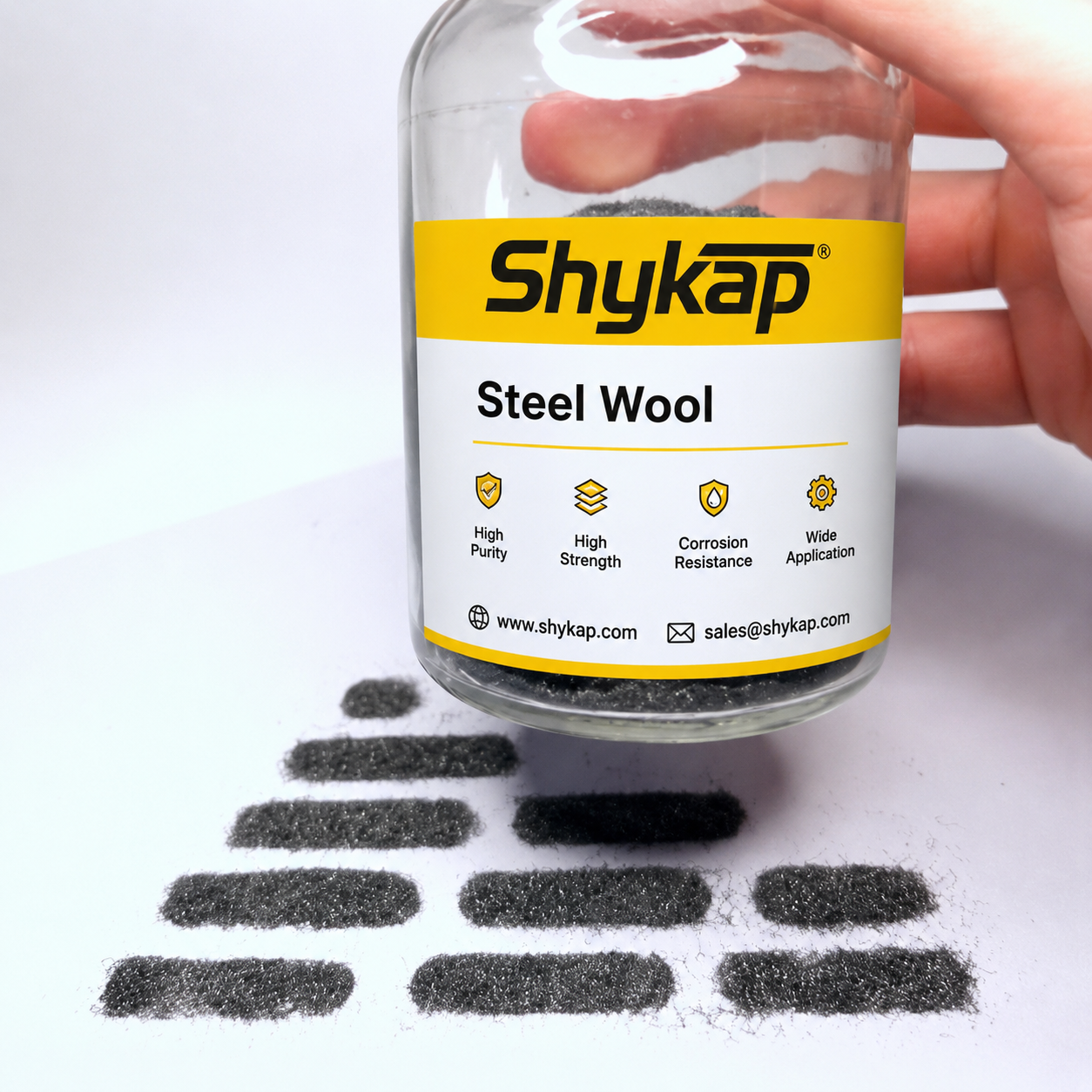
Fiber Steel Wool is a friction raw material filler usable in all kinds of friction materials. It provides excellent stable performance over a wide temperature range, with low wear rate and good heat dissipation. Chopped steel fiber is made from high quality low-carbon steel wire, produced through crapping, chopping, and mixing.

Appearance

FormNeedle-like, gray

Grades

BL-D0-160 / BL-D1-80Motorcycle, car, light-duty
BL-AD1-80 / BL-1-80Medium-sized vehicles
BL-3L-80 / BL-3-60 / BL-Q4-80Heavy-duty & railway
Bulk Volume0.78–1.30 ml/g
Oil Content≤0.30%
Fiber Size0.0127–0.2072 mm

Chemical Composition

C0.07–0.12%
Mn0.80–1.25%
P<0.03%
S<0.03%
Si≤0.07%

Package & Storage

25 KG/bag, double sheet paper bags with plastic liner. Store in a dry, cool, ventilated area.

Flake Graphite – brake pad friction raw material

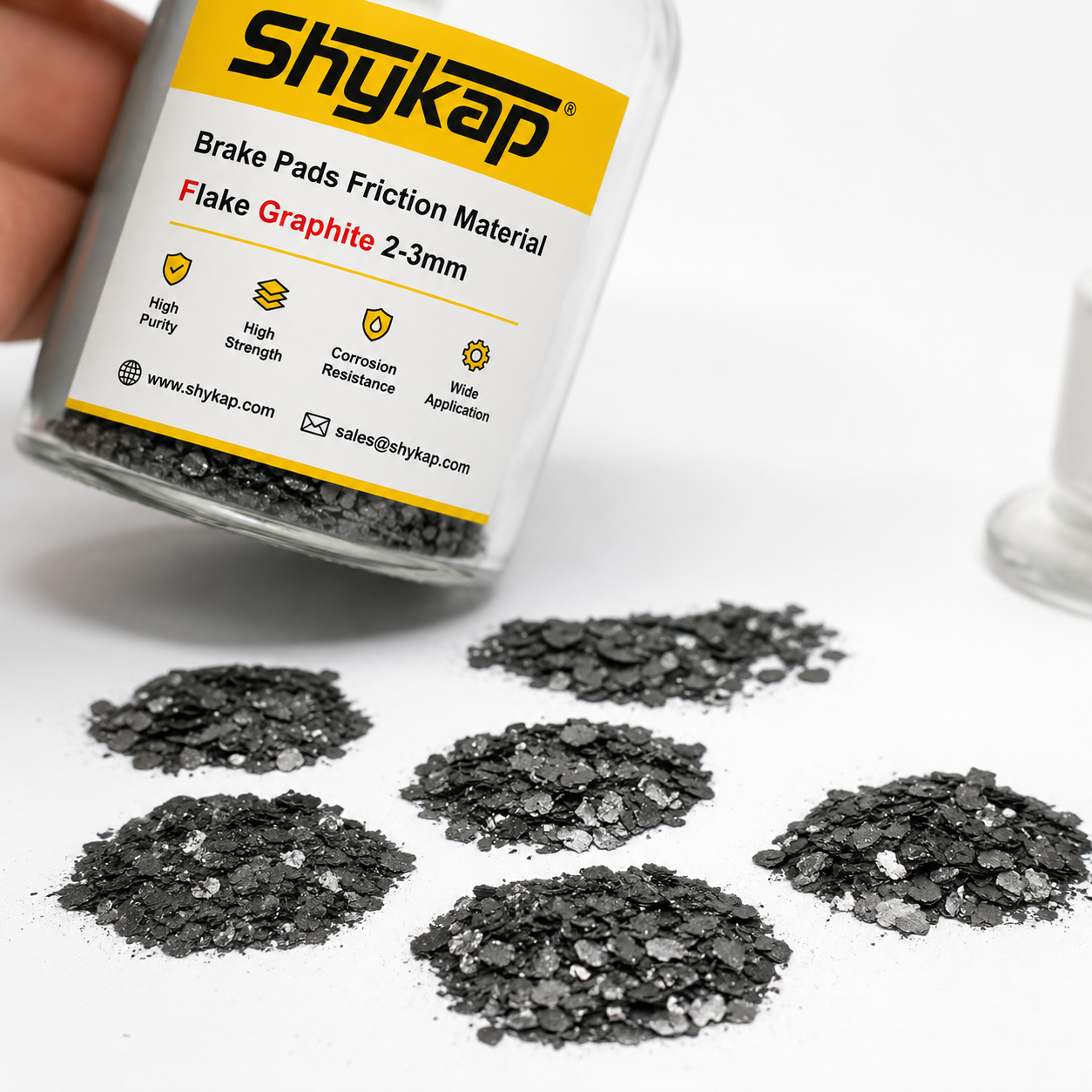
Flake Graphite

Natural graphite with a flaky morphology — widely used in brake linings and shoes for heavier vehicles.

Inquire Now

Flake Graphite is probably the most familiar of natural graphite materials, similar to the finely powdered graphite used as a lubricant or pencil "lead." As the name implies, it has a distinctly flaky/platy morphology. Natural amorphous and fine flake graphite are used in brake linings or brake shoes for heavier (non-automotive) vehicles, becoming important as an asbestos substitute, though NAO compositions are increasingly competing for market share.

Granularity

Mesh5#, 32#, 50#, 80#, 100# (customizable)

Appearance

FormFlake shape, light black

Physical Properties

Specific Gravity2.0–2.2 g/cm³
Moisture≤0.5%
Volatile≤1.0%
Ash≤4.0%
Hardness (Mohs)1.0–2.0

Chemical Composition

Carbon≥80–95% (customizable)

Package & Storage

25 KG/bag, double sheet paper bags with plastic liner. Store in a dry, cool, ventilated area.

Phenolic Resin – brake pad friction raw material

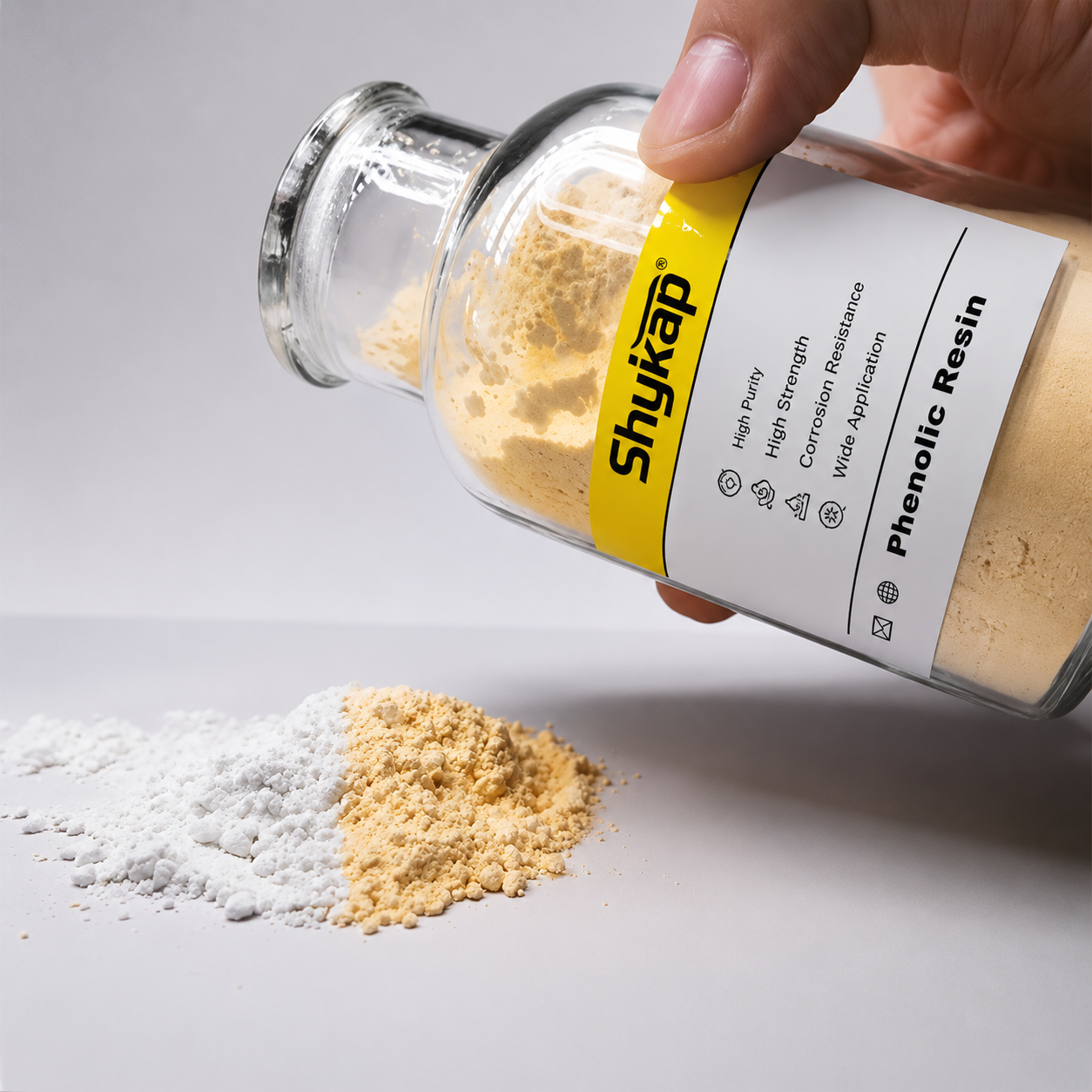
Phenolic Resin

The core adhesive of the friction industry — essential for binding brake pad and clutch components.

Inquire Now

Phenolic Resin is used as the main adhesive in the friction industry; without its binding effect, a qualified friction product cannot be produced. Resin is the core friction material ingredient, playing an important role in brake pad and clutch manufacture — bearing and distributing pressure capacity by transferring it to fillers and enhancers. Offers low free phenol, high thermal decomposition temperature, low thermal fade at high temperature, good fluidity, low volatility, high soakage for fibers/stuffings, good thermal stability/recovery, and low wear.

Grades (Color · Cure · Flow · Moisture · Granularity)

FS-901Light Yellow · 70–120 · 25–45 · ≤1.0% · ≥99%
FS-901ALight Yellow · 60–115 · 25–40 · ≤1.5% · ≥99%
FS-9014Light Yellow · 70–120 · 25–40 · ≤1.5% · ≥99%
FS-2123Light Red · 35–85 · 25–50 · ≤1.5% · ≥98%
FS-2123ALight Yellow · 40–90 · 25–60 · ≤1.5% · ≥98%
FS-9005Light Yellow · 60–100 · 30–50 · ≤1.5% · ≥99%
FS-R9005Light Yellow · 70–90 · 30–45 · ≤1.5% · ≥99%
FS-906 (NBR-modified)White · 65–100 · 20–35 · ≤1.0% · ≥94%
FS-9068White · 80–110 · 25–35 · ≤1.0% · ≥98%
FS-902 (Cashew-modified)Brown · 65–110 · 30–50 · ≤1.0% · ≥98%
FS-901D (High Temp)Light Yellow · 40–60 · 20–30 · ≤1.0% · ≥98%
FS-9019 (Toughening)Light Yellow · 70–120 · 20–35 · ≤1.0% · ≥98%
FS-9019H (Toughening)Light Yellow · 70–120 · 20–35 · ≤1.5% · ≥99%

Package & Storage

12.5 KG/bag, double sheet paper bags with plastic liner. Store in a dry, cool, ventilated area.

Titanates — Potassium Magnesium – brake pad friction raw material

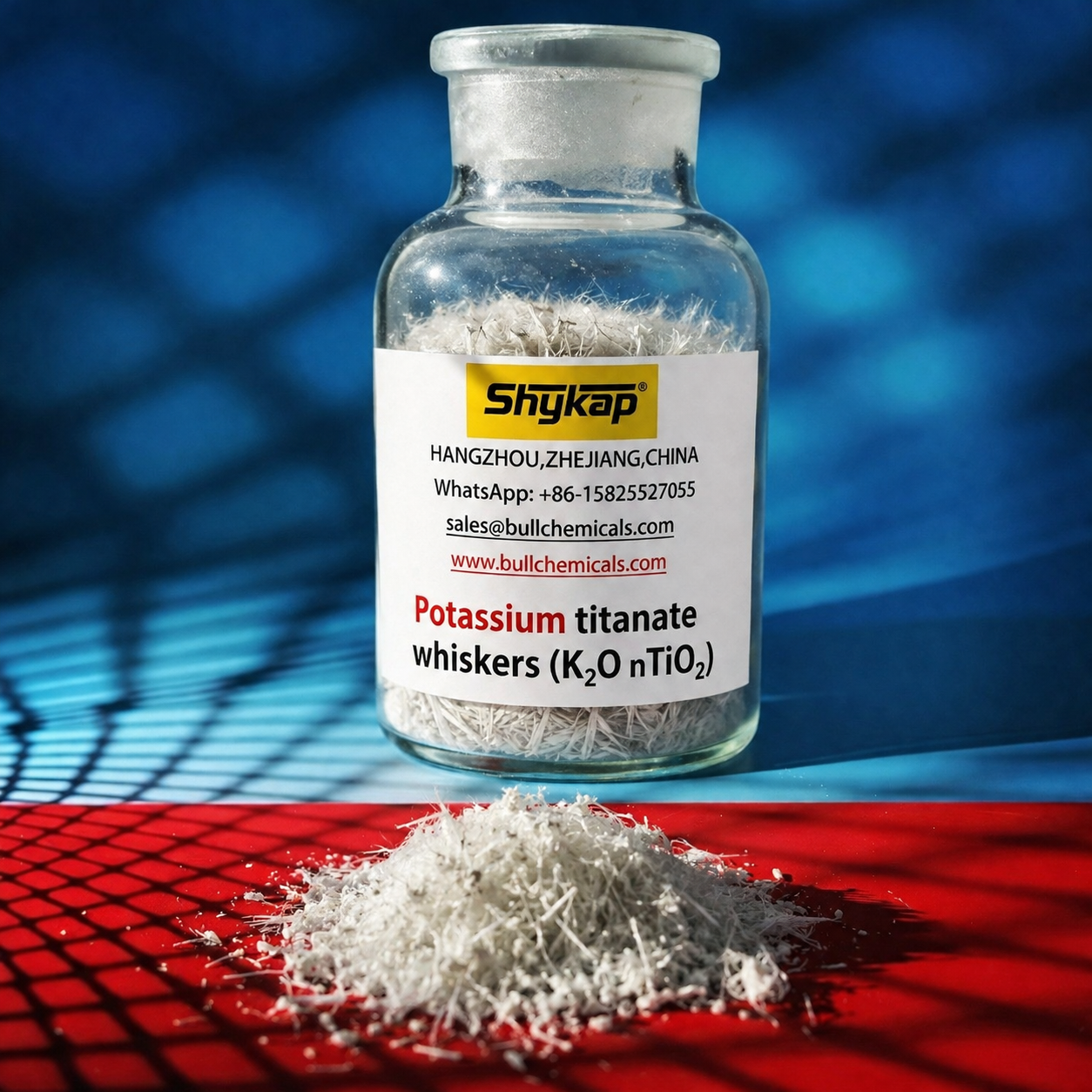
Titanates — Potassium Magnesium

Widely used in automotive ceramic brake pads, train brake shoes, and clutch friction plates.

Inquire Now

Titanates-Potassium Magnesium materials are widely used in the production of automotive ceramic brake pads, train brake shoes, and clutch friction plates.

Granularity

Diameter2–10 μm
D9718–25 μm

Appearance

FormFlaky particles, ivory yellowish white

Physical Properties

Specific Gravity3.7 ± 0.1 g/cm³
Bulk Density0.6–1.1 g/cm³
Moisture≤1.5%
Melting Point>1300 °C
Hardness (Mohs)4.0
pH8.0–11.0

Chemical Composition

TiO₂~63%
MgO~8%
K₂O~20%
Others~9%

Package & Storage

25 KG/bag, double sheet paper bags with plastic liner. Store in a dry, cool, ventilated area.

Rock Wool Fiber – brake pad friction raw material

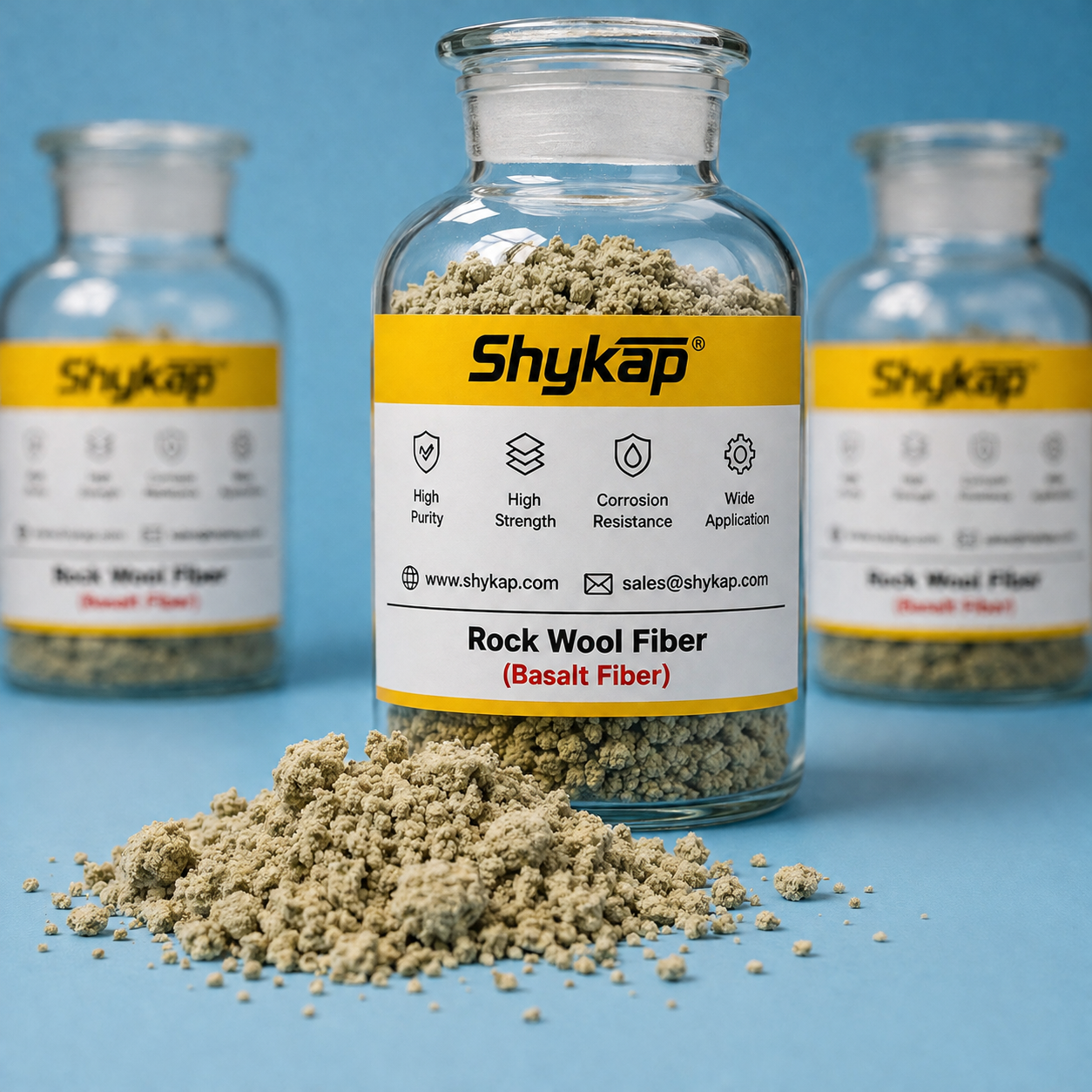
Rock Wool Fiber

An eco-friendly asbestos substitute fiber that reduces brake noise and improves wear resistance.

Inquire Now

Rock Wool Fiber (also known as stone wool or mineral fiber) is internationally recognized as a key energy-saving material due to its excellent fire insulation properties. As a friction raw material reinforcing fiber, it is an asbestos substitute that substantially lowers cost. Compared with glass fibers and wollastonite, it reduces brake noise and improves wear resistance. A clean engineering mineral fiber with excellent dispersion and high biodegradability.

Properties (Grades BL-YM06 → BL-YM76)

ColorGrayish yellow / grayish green
Moisture≤1.00% (≤0.50% for BL-YM76)
Slag Content1.00%–5.00%
Loss of Ignition1.00%–6.00%
Fiber Diameter1–15 μm
Fiber Length100–800 μm
Hardness (Mohs)5–6

Chemical Composition

SiO₂45–52%
Al₂O₃10–17%
CaO + MgO25–43%
FeO4.5–8%
K₂O + Na₂O4.5%
Other6%

Package & Storage

15 KG/bag, double sheet paper bags with plastic liner. Store in a dry, cool, ventilated area.

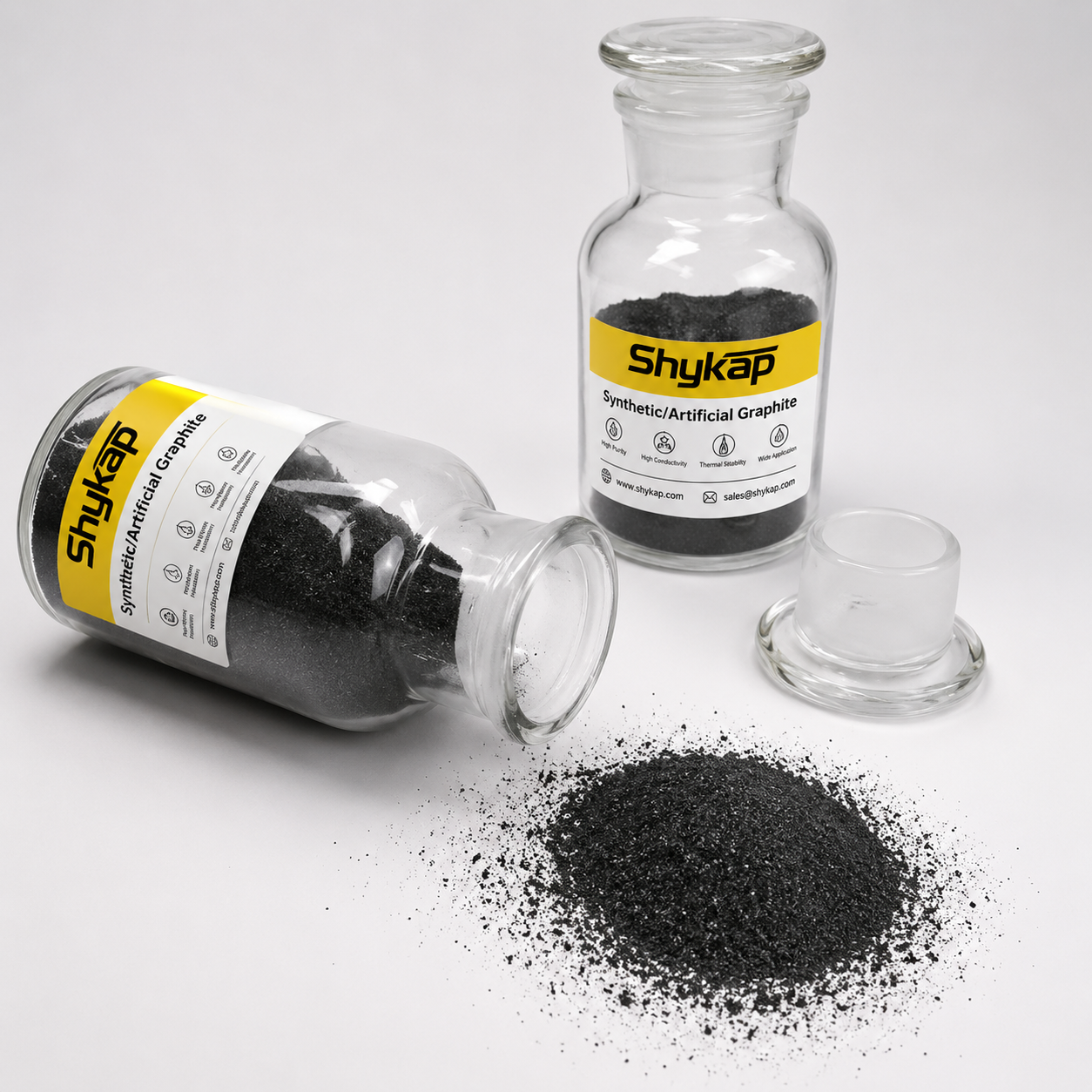
Synthetic / Artificial Graphite – brake pad friction raw material

Synthetic / Artificial Graphite

Elastic, lubricating, and absorbent — a versatile base raw material for brake pad production.

Inquire Now

Synthetic/Artificial Graphite can be used as a basic raw material for brake pad production and manufacturing. It has characteristics of elasticity, reduced resistance, lubricity, environmental friendliness, absorbability to liquid adhesives, and fusion with water, oil, and adhesives.

Granularity

Particle Size0–1.0 mm / 0–0.2 mm / 0.15–1.0 mm (customizable)

Physical Properties

Specific Gravity2.21 g/cm³
Apparent Density1.19 g/cm³
Moisture≤1.0%
Ash≤2.0%

Chemical Composition

Carbon≥97–99%
Sulfur≤0.1%

Package & Storage

25 KG/bag, double sheet paper bags with plastic liner. Store in a dry, cool, ventilated area.

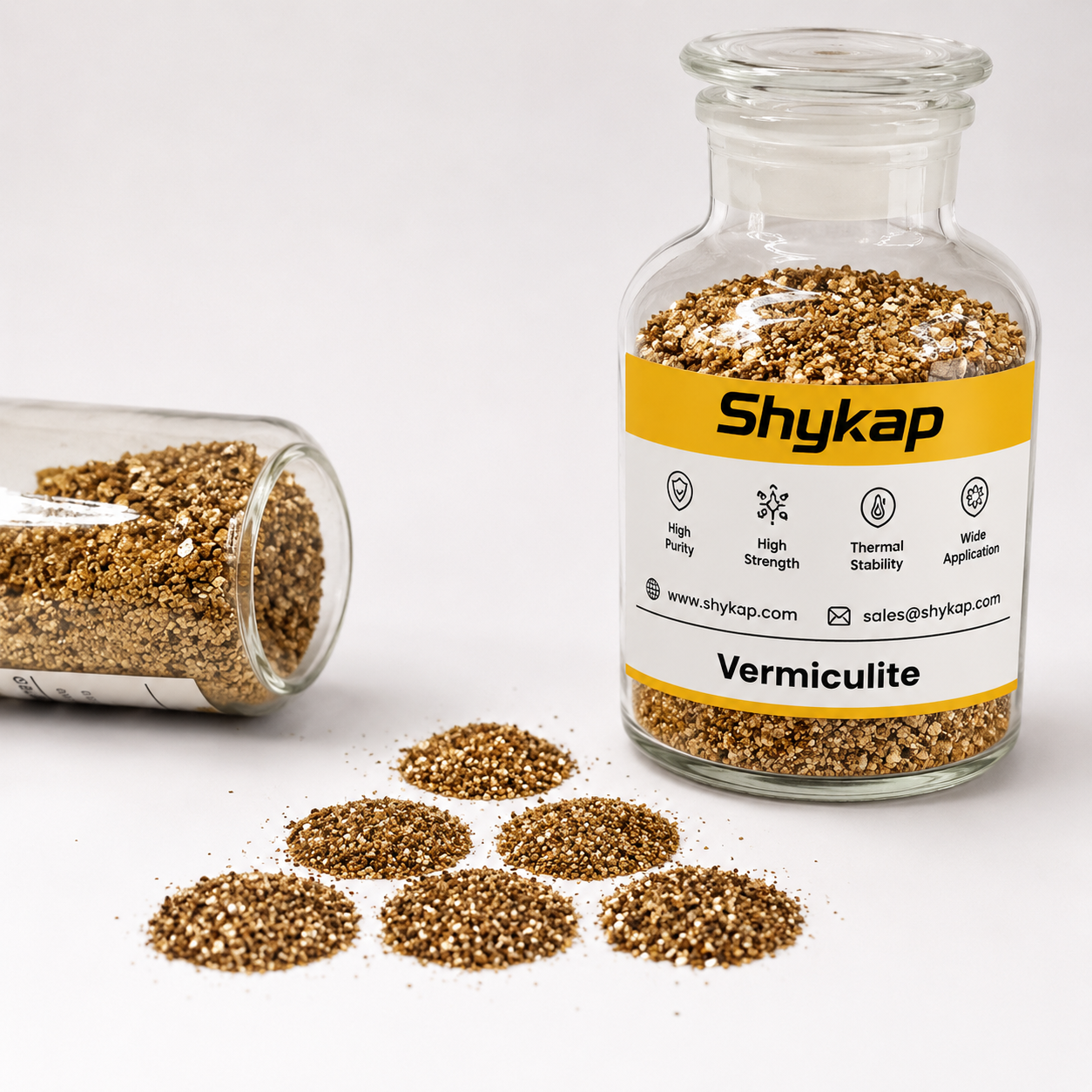
Vermiculite – brake pad friction raw material

Vermiculite

A hydrous phyllosilicate that expands when heated — used in fireproofing and friction materials.

Inquire Now

Vermiculite is a hydrous phyllosilicate mineral that undergoes significant expansion when heated, with exfoliation occurring in commercial furnaces. Formed by weathering or hydrothermal alteration of biotite or phlogopite, it has a monoclinic crystal structure resembling mica. Generally brown, yellow, or dark green with an oil-like luster, it becomes gray after heating. Used as building material, adsorbent, fireproof insulation, mechanical lubricant, and soil improver.

Granularity

Mesh40–60# (customizable)

Appearance

FormPowder, yellowish brown

Physical Properties

Bulk Density0.13 g/cc
Moisture≤0.02%
Gravel≤3%

Chemical Composition

SiO₂41.15%
Al₂O₃17.24%
Fe6.64%

Package & Storage

25 KG/bag, double sheet paper bags with plastic liner. Store in a dry, cool, ventilated area.

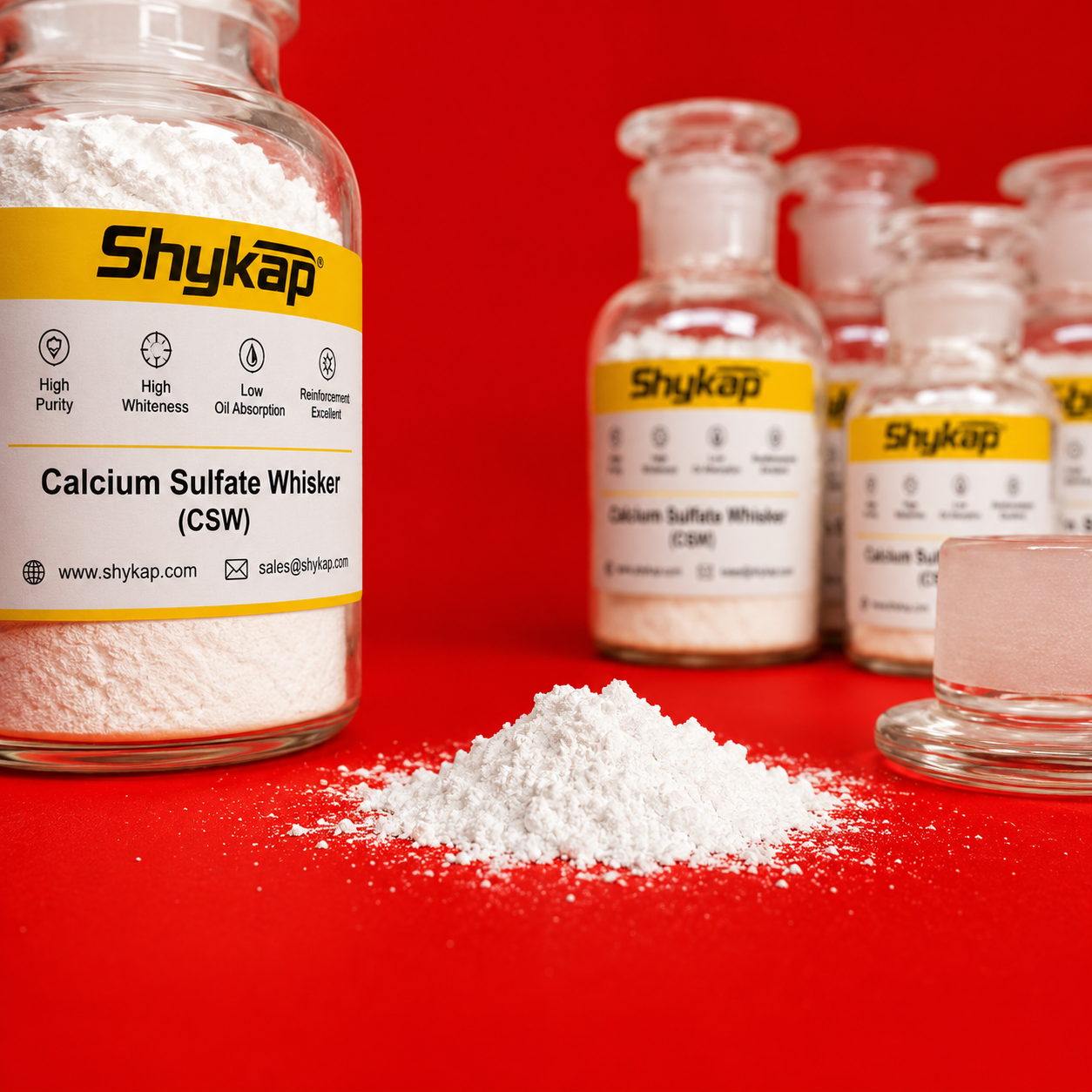
Calcium Sulfate Whisker (CSW) – brake pad friction raw material

Calcium Sulfate Whisker (CSW)

A novel low-toxicity cotton-like microfiber with excellent dispersion and friction coefficient stability.

Inquire Now

Calcium Sulfate Whisker (CSW) is a white cotton-like material with perfect structure, regular morphology, and stable dimension — a novel microfiber with L/D ratio 40–300. It's the latest generation reinforcing material for high-performance composites with lower toxicity. Excellent affinity and dispersion with other organic materials, distributing evenly to enhance friction coefficient stability and toughness. Applications: friction & sealing materials, abrasive molds, plastics/rubber modification, filtration, paper, ceramics, paints, asphalt modification.

Granularity

Length10–300 μm
Diameter1–4 μm
L/D Ratio40–300

Appearance

FormCotton-like, white

Physical Properties

Specific Gravity2.69 g/cc
Apparent Density0.3–0.65 g/cc
Melting Point1450 °C
Hardness (Mohs)2.0–4.0
Whiteness90%
pH7 ± 0.5

Package & Storage

12.5 KG/bag, double sheet paper bags with plastic liner. Store in a dry, cool, ventilated area.

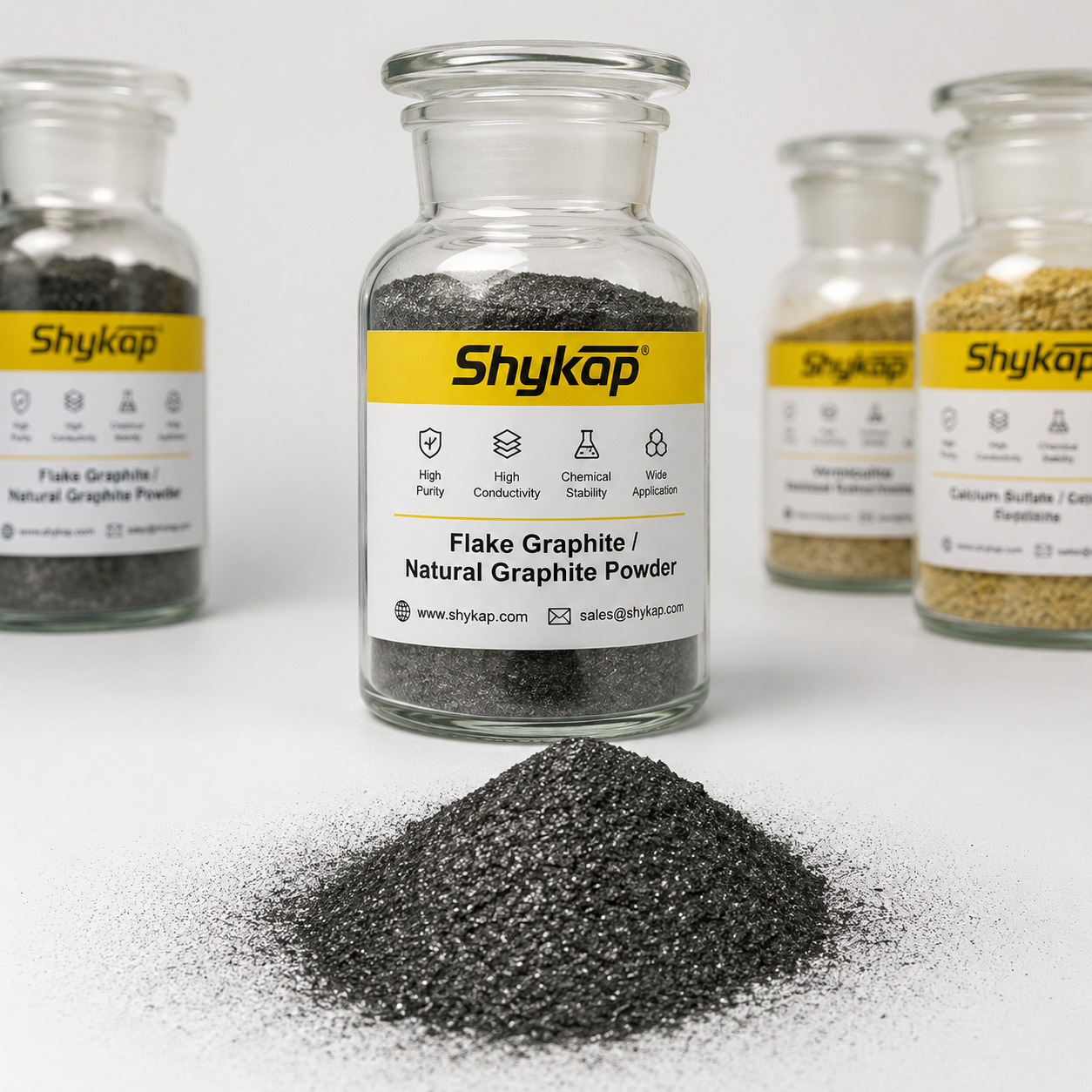
Flake / Natural Graphite Powder – brake pad friction raw material

Flake / Natural Graphite Powder

Fine natural graphite powder with flaky morphology — an important asbestos substitute.

Inquire Now

Flake Graphite/Natural Graphite Powder has a distinctly flaky/platy morphology. Natural amorphous and fine flake graphite are used in brake linings or brake shoes for heavier (non-automotive) vehicles, becoming important as an asbestos substitute.

Granularity

Mesh100–325#

Appearance

FormFlake, light black

Physical Properties

Specific Gravity2.0–2.2 g/cm³
Moisture≤0.5%
Volatile≤1.0%
Ash≤4.0%
Hardness (Mohs)1.0–2.0

Chemical Composition

Carbon≥95% (customizable)

Package & Storage

25 KG/bag, double sheet paper bags with plastic liner. Store in a dry, cool, ventilated area.

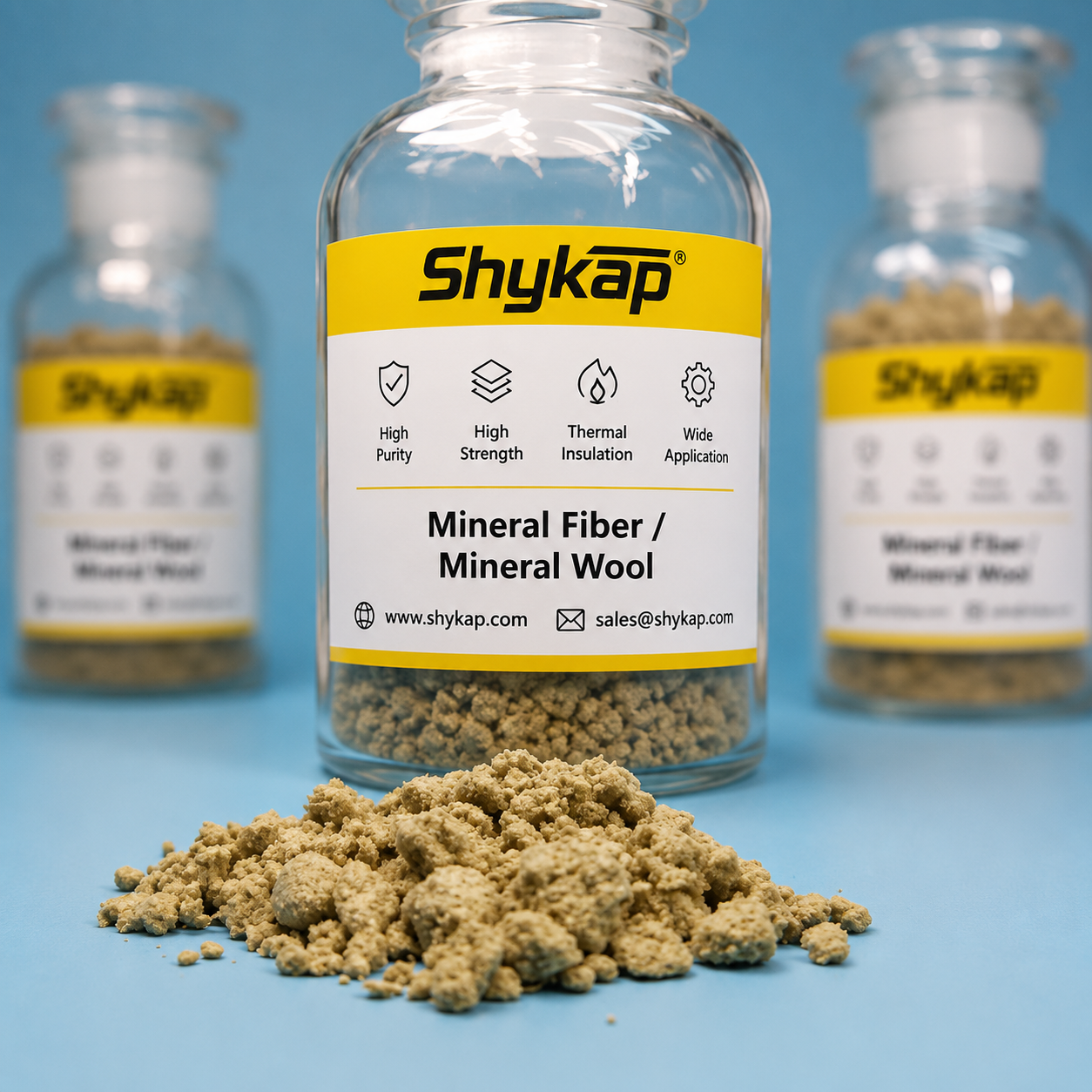
Mineral Fiber / Mineral Wool – brake pad friction raw material

Mineral Fiber / Mineral Wool

An eco-friendly, asbestos-free reinforcing fiber with excellent dispersion and noise reduction.

Inquire Now

Mineral Fiber/Mineral Wool (rock wool, stone fiber) is internationally recognized as a key energy-saving material due to excellent fire insulation. As a friction reinforcing fiber, it's an asbestos substitute that substantially lowers cost. Compared with glass fibers and wollastonite, it reduces brake noise and improves wear resistance, with excellent dispersion and high biodegradability.

Properties (Grades BL-YM6 → BL-YM76)

ColorGrayish yellow / grayish green
Moisture≤1.00% (≤0.50% for BL-YM76)
Slag Content1.00%–5.00%
Loss of Ignition1.00%–6.00%
Fiber Diameter1–15 μm
Fiber Length100–800 μm
Hardness (Mohs)5–6

Chemical Composition

SiO₂45–52%
Al₂O₃10–17%
CaO + MgO25–43%
FeO4.5–8%
K₂O + Na₂O4.5%
Other6%

Package & Storage

15 KG/bag, double sheet paper bags with plastic liner. Store in a dry, cool, ventilated area.

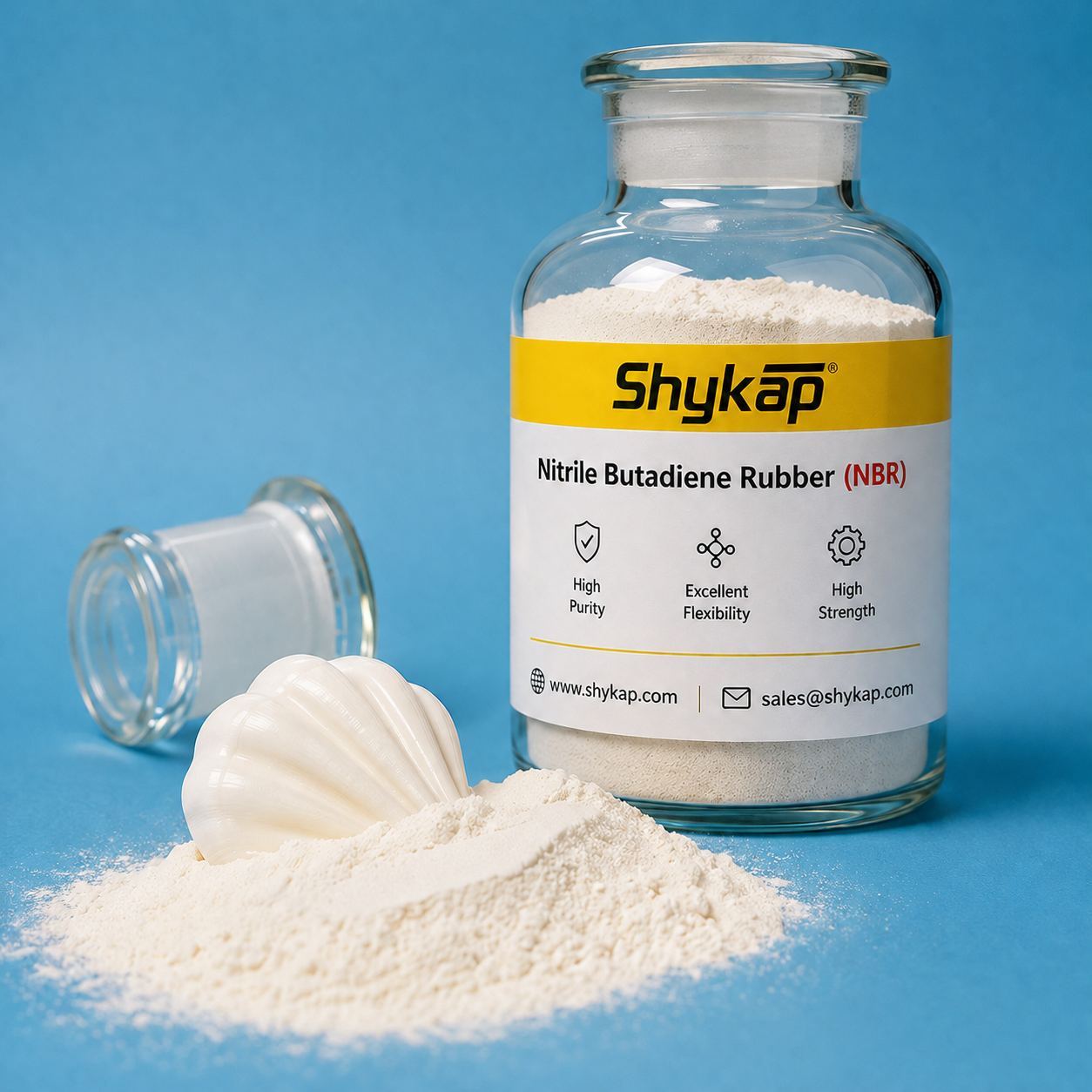
Nitrile Butadiene Rubber (NBR) – brake pad friction raw material

Nitrile Butadiene Rubber (NBR)

Versatile rubber adhesive/filler offering cold, abrasion and oil resistance plus elasticity.

Inquire Now

Nitrile Butadiene Rubber (NBR), also known as Butadiene Acrylonitrile rubber, is a widely used friction material adhesive with good cold resistance, abrasion resistance, oil resistance, and elasticity. Rubber powder works both as binder and inorganic filler — mixed with resin in different proportions to create a new adhesive that overcomes the brittleness of pure phenolic resin, reduces hardness/modulus, and improves impact toughness.

Granularity

Mesh#40, #60, #80, #100 (customizable)

Appearance

FormPowder, yellowish white

Physical Properties

Specific Gravity1.03 g/cc
Bulk Density0.32 g/cc
Acrylonitrile rate35–40%
Volatile≤1.0%
Mooney Viscosity100–150
Gel Content≥90%

Package & Storage

25 KG/bag, double sheet white paper bags. Store in a dry, cool, ventilated area.